

On June 16, 2026—just weeks away—the residents of the District of Columbia will head to the polls to vote for Mayor, City Council, Attorney General, and Congressional representation. This is more than another election cycle. It is one of the most consequential moments our city has faced in decades, with the potential to reshape the future of health care, aging, disability services, workforce development, and community well-being for a generation.
The DC Coalition on Long Term Care has worked hard to ensure that the voices of older adults, people with disabilities, caregivers, families, and frontline workers are heard. We sent policy questionnaires to all major candidates, and we are encouraged that we received overwhelming support for our priorities—including full support for the Certified Nurse Education Enhancement Act and its provisions for stronger workforce development, expanded training, and higher wages for direct care workers.
The challenge before us is no longer whether leaders understand the crisis. They do. The challenge is whether they will invest in solving it.
Budgets are moral documents. They reveal what a city truly values. Investments in aging services, disability supports, workforce stability, and community-based care are not optional expenses—they are investments in public health, family stability, economic security, and equity. For too long, the current administration and council have not committed the level of funding necessary to meet the urgency of this moment. That must change.
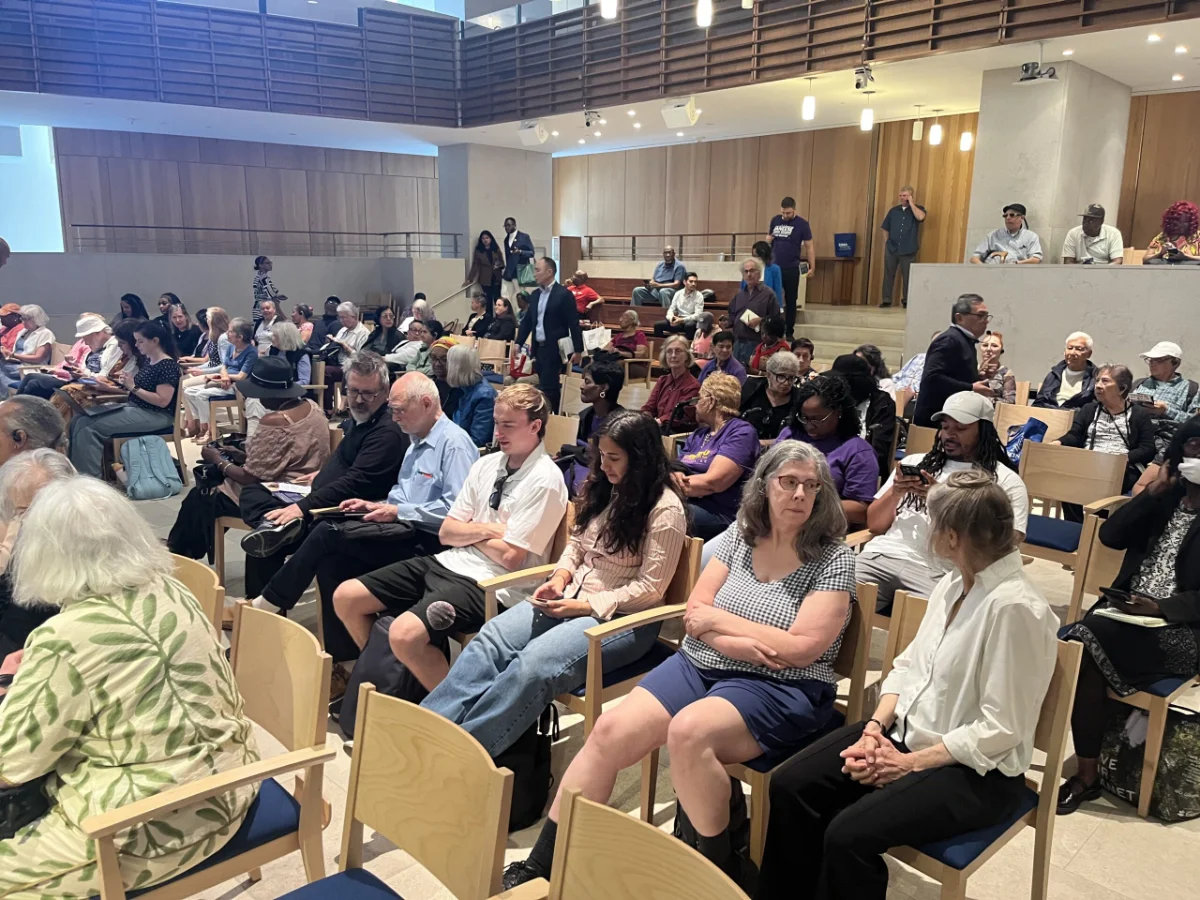
At last night’s Mayoral Forum on Aging—hosted by Iona, Seabury, Vida, and the DC Coalition on Long Term Care—we heard clear commitments from nearly every mayoral candidate to advance our priorities. Janeese Lewis George, Gary Goodweather, Vincent Orange, and Rina Sampath all participated in a serious conversation about the future of long term care in the District. Their engagement demonstrated respect for the thousands of families and workers impacted by this issue every day.
One leading contender, Kenyan McDuffie, did not attend. Coalition members and attendees noticed his absence and were disappointed that he missed an opportunity to engage directly with residents on one of the defining public policy challenges facing our city.
During the forum, Susan Sedgewick of the DC Coalition on Long Term Care asked a powerful and urgent question that captured the reality we now face:
“One in four District residents will be over the age of 60 within the next four years, and we are not prepared for the coming surge in care needs. What will you do?”
The question resonated throughout the room because everyone understands what is at stake. Families are already struggling to find caregivers. Hospitals are strained. Workers are underpaid and overextended. The system is under pressure today—and the demographic wave ahead will intensify that pressure unless we act now.
Importantly, every candidate participating in the forum agreed that the legislation already passed by the Council could significantly strengthen the workforce pipeline and improve care across the city—if leaders are willing to fund and implement it fully.
This moment demands more than concern. It demands action.
Our society is at a crossroads. Friction, division, and uncertainty touch nearly every part of public life. These are difficult times for our city and our country. But this is not the moment to retreat from civic life. It is the moment to step forward.
We need all of us.
We need advocates. We need caregivers. We need families. We need workers. We need neighbors. We need citizens willing to defend the idea that every person deserves dignity as they age and support when they are vulnerable.
Please vote. Encourage your family, friends, coworkers, and neighbors to vote. Speak up. Stay engaged. Organize. Advocate. Hold elected officials accountable.
We will not surrender to indifference or dysfunction. Together, we can build a stronger District—one that honors caregivers, protects older adults, supports families, and creates a city and democracy where our children and grandchildren can truly thrive.
Neil Richardson